The Intersection of Technical and Creative Work
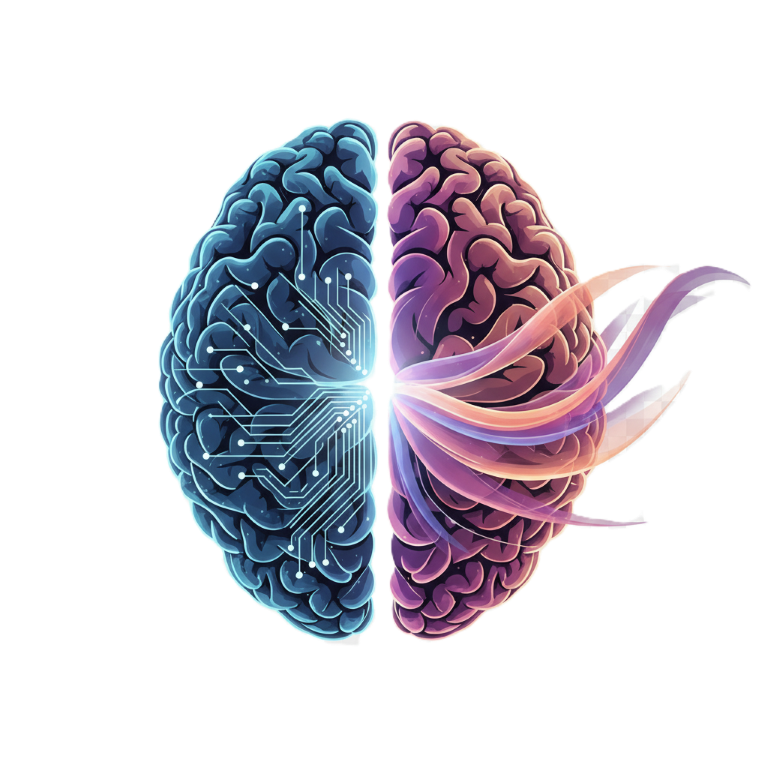
Over years of working across both technical and creative domains, I’ve noticed fascinating parallels in problem-solving approaches, attention to detail, and the iterative nature of both code and art. This post explores some of those connections and how skills from one area often enhance the other.
Common Problem-Solving Patterns
Breaking Down Complex Problems
In Programming: Large applications are broken into modules, functions, and components that can be developed and tested independently.
In Art: Complex drawings start with basic shapes and proportions before adding details. Paintings are built up in layers, each serving a specific purpose.
In Photography: A successful image considers composition, lighting, exposure, and post-processing as separate but interconnected elements.
The pattern is consistent: start with the big picture, identify the main components, then refine iteratively.
Debugging and Problem-Solving
In Code: When a program doesn’t work, you isolate variables, test assumptions, and work systematically through possibilities.
In Drawing: When a portrait looks “off,” you check proportions, value relationships, and edge quality systematically.
In Photography: When an image isn’t working, you analyze exposure, composition, focus, and timing methodically.
Both disciplines require:
- Systematic analysis
- Testing hypotheses
- Patience with iterative improvement
- Comfort with failure as a learning tool
Technical Skills Enhancing Creative Work
Automation and Batch Processing
Programming concepts translate directly to creative workflows:
- Photoshop Actions: Essentially visual programming for repetitive image processing
- Lightroom Presets: Reusable “functions” for consistent photo processing
- File Organization: Database principles applied to managing thousands of images
Version Control Thinking
Git workflow concepts apply to creative projects:
- Branching: Saving multiple versions before major changes
- Commits: Documenting stages of development with notes
- Rollback: Returning to earlier versions when experiments fail
- Merging: Combining successful elements from different attempts
Documentation Habits
Technical writing skills improve creative process documentation:
- Clear project notes for future reference
- Step-by-step technique documentation
- Equipment and settings recording
- Process photography for complex projects
Creative Skills Enhancing Technical Work
Visual Design Principles
Art training improves technical communication:
- Typography: Understanding hierarchy and readability
- Layout: Applying composition principles to user interfaces
- Color Theory: Using color meaningfully in data visualization
- Visual Hierarchy: Directing attention in technical documentation
Iterative Refinement
Artistic process thinking improves code quality:
- Multiple drafts: Not settling for the first working solution
- Critique process: Regularly reviewing and improving work
- Aesthetic judgment: Recognizing when something “feels right”
- Patience with process: Understanding that good work takes time
Attention to Detail
Fine art training develops observational skills valuable in debugging:
- Seeing subtle differences: Noticing small variations that indicate problems
- Pattern recognition: Identifying recurring issues quickly
- Systematic observation: Looking at problems from multiple angles
The Creative-Technical Portfolio Website
This very website exemplifies the intersection of technical and creative skills:
Technical Requirements:
- Clean, semantic HTML structure
- Responsive CSS design system
- Performance optimization
- SEO and accessibility compliance
- Version control and deployment
Creative Considerations:
- Visual hierarchy and typography
- Color palette and brand consistency
- User experience and navigation flow
- Image presentation and gallery design
- Content organization and storytelling
The project required both technical problem-solving (Ruby dependencies, build processes) and creative decision-making (visual design, content structure).
Lessons for Integrated Practice
Embrace Both Sides
Rather than keeping technical and creative work separate, actively look for connections:
- Use technical tools to enhance creative work
- Apply creative thinking to technical challenges
- Document processes from both perspectives
- Share knowledge across domains
Process Over Tools
Both technical and creative work benefit from:
- Clear processes that can be repeated and refined
- Regular practice and skill development
- Learning from failure and iteration
- Building on fundamentals before advanced techniques
Community and Learning
Both communities value:
- Sharing knowledge and techniques
- Constructive critique and feedback
- Continuous learning and adaptation
- Recognition that mastery takes time
Future Directions
As technology and creativity continue to converge, new opportunities emerge:
- AI-assisted creative tools requiring both technical understanding and artistic judgment
- Interactive installations combining programming with visual art
- Data visualization as a fusion of analysis and aesthetic presentation
- Generative art using code as a creative medium
The boundary between technical and creative work continues to blur, making skills in both areas increasingly valuable and complementary.
What connections have you found between your technical and creative work? I’d love to hear about your experiences at the intersection of these disciplines.